
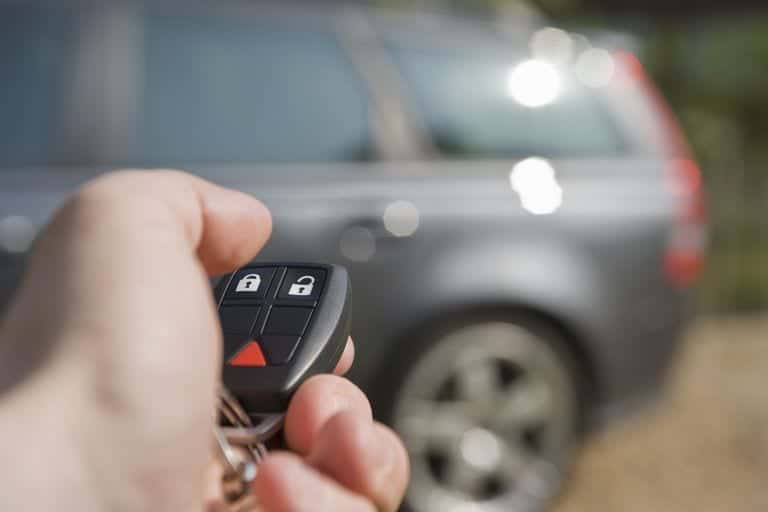
Every year, drivers spend hundreds or even thousands on dealership “protection packages” and rely on factory-installed vehicle security systems, believing they’ll prevent theft. Yet theft reports tell another story: many of the most stolen vehicles in America — including Ford F-Series, Chevy Silverados, and Dodge Chargers — already come standard with alarms, immobilizers, or trackers.
According to the National Insurance Crime Bureau (NICB), over one million vehicles were stolen in 2022, the highest in more than a decade and a number that continues in that range in 2023 and 2024. The problem isn’t that cars lack dealership or factory security systems — it’s that these systems simply don’t stop thieves.
This article explains what dealership security add-ons typically include, why they fail, and what actually works to protect your car.
What’s Included in Dealership & Factory Security Systems?
When you purchase a new or used vehicle, dealerships often upsell car dealership security systems as part of add-on “protection packages.” These may highlight factory immobilizers, alarms, or GPS trackers but usually include:
- Car Alarms – Aftermarket or upgraded alarms that trigger when a door is opened or glass is broken.
- GPS Tracking Devices – Systems marketed to help recover a car after it’s stolen.
- Wheel Locks – Lug nut locks designed to prevent rim and tire theft.
- Key Fob Programming Packages – Claimed to make keys harder to clone or replace.
- Etching or Marking Services – VIN etched on glass to discourage resale of stolen parts.
These features are often bundled into dealership add-on packages that can cost anywhere from a few hundred to several thousand dollars. But price doesn’t equal effectiveness.
Are Factory Car Alarms Effective Against Theft?
Factory car alarms are designed to deter theft by sounding a loud siren if someone opens a door, breaks glass, or tampers with the vehicle. They also disable the ignition if a matching key isn’t used. The issue is that factory systems are a ‘one size fits all’ approach which is needed for serviceability. This static approach means that once thieves know how to defeat one, they can defeat them all. This is why tech solutions aren’t great overall- they must be implemented the same way.
Dealer installed (Non-factory) alarms have been around for decades, and thieves know exactly how to disable them.
- Predictable Wiring: Almost all alarms are wired under the dash, the first place a thief looks.
- Noise Fatigue: In parking lots, most people ignore alarms, assuming they’re false triggers.
- Planned Theft: Organized rings expect alarms and are prepared to bypass them in minutes.
Bottom line: factory security systems like alarms make noise, but they don’t stop cars from being stolen.
Do GPS Tracking Systems Actually Protect Your Car?
GPS tracking systems are marketed by dealerships as advanced theft protection. They work by transmitting the car’s location to an app or monitoring center, allowing police to track and recover it if stolen.
In practice, GPS trackers don’t prevent theft at all — they may only help after the fact.
- Theft Still Happens: The system doesn’t stop the car from being driven away.
- Disabling is Easy: Thieves know how to locate and remove antennas or cut power.
- Recovery Isn’t Guaranteed: By the time police locate a stolen car, it may already be stripped or across the border.
- Not a priority for local law enforcement: police are underfunded and over worked. Property theft is near the bottom of priority for understandable reasons.
- Resale Value Drops: Cars labeled as “stolen/recovered” on CarFax often lose 5–15% in resale value.
Just like alarms, GPS trackers deal with the aftermath, not the prevention.
Do Wheel Locks Prevent Theft?
Wheel locks are lug nut replacements designed to prevent thieves from stealing rims and tires. Each lock requires a unique key to remove, making them a popular dealership upsell for “added protection.”
The reality: they don’t slow thieves down much.
- Basic Tools Defeat Them: Lug nut keys and power tools are easy to come by.
- Limited Scope: Even if they stop wheel theft, they don’t prevent someone from taking the whole car.
- Inconvenience for Owners: Wheel locks often cause more hassle for drivers than for thieves.
Do Factory Immobilizers Really Work to Prevent Theft?
Factory engine immobilizers are designed to prevent hotwiring by disabling ignition or fuel systems unless the correct coded key or fob is used. Today, most modern vehicles include them as a standard feature.
On paper, immobilizers seem like the ultimate theft deterrent. In reality, professional thieves bypass them all the time.
- OBD-II Hacks: Thieves use diagnostic port tools to program new keys on the spot.
- Relay Attacks: Electronic devices trick the car into “thinking” the key fob is nearby.
- Real-World Proof: The surge in Kia and Hyundai thefts between 2020–2023 showed how quickly criminals exploit weaknesses in factory immobilizers. Viral “Kia Boyz” theft videos demonstrated that without robust protection, millions of cars could be stolen in seconds — even when equipped with these systems.
Immobilizers may lower casual theft risk, but they don’t stop the targeted, organized thefts that drive today’s stolen vehicle statistics.
What Car Dealership Security Systems Leave Out
The biggest issue with dealership security systems is that they focus on recovery or deterrence by inconvenience, not actual prevention. Alarms make noise. Trackers help you find a car that’s already stolen. Wheel locks protect rims, not the vehicle. None of these stop the engine from starting or keep a thief from driving away. That’s why professional theft rings continue to target vehicles equipped with dealership add-ons and factory security systems — because they know those systems don’t get in the way.
The Better Alternative: True Engine Immobilization
To actually stop theft, you need a mechanical immobilizer that prevents the engine from running without proper authorization. Unlike factory immobilizers, which rely on coded keys and digital systems that hackers can bypass, a mechanical immobilizer uses physical connections that thieves can’t digitally replicate.
The most proven product to accomplish this is the Ravelco Anti-Theft Device, which has been installed in over 6 million vehicles over the last 50 years with zero documented defeats. Instead of relying on noise or tracking, it makes hotwiring, key cloning, and relay attacks useless.
Key Takeaway
Car dealership security systems may sound like peace of mind, but most fail where it matters most: stopping theft before it happens. Before paying for dealership add-ons, ask yourself: does this system stop the engine from starting? If not, it’s not true theft prevention. And even if it does, was it designed and installed to work against the way thieves steal vehicles or was it installed as quickly as possible to maximize dealer profitability?
For drivers serious about protecting their investment, the smarter approach is to look beyond dealership and factory systems and invest in a proven disabling device that actually prevents theft, before you become part of the next NICB statistic.
FAQs About Car Dealership & Factory Security Systems
Are dealership security packages worth the cost?
Not usually. Most packages include alarms, VIN etching, or trackers that sound good on paper but don’t stop theft in practice. They often add hundreds or thousands to your purchase price without providing true prevention. In many cases, dealerships use these add-ons as profit drivers, so the customer ends up paying more for features that provide little real-world security benefit.
Do factory immobilizers stop car theft?
Factory immobilizers make hotwiring harder, but thieves use OBD-II hacking tools and relay attacks to bypass them. They help against casual theft, but they don’t stop organized theft rings targeting high-value vehicles. Professional thieves know these systems inside and out, which is why vehicles equipped with factory immobilizers still top NICB’s “most stolen” lists year after year.
Why don’t car alarms stop thieves?
Alarms are predictable and easily disabled. Most people ignore them when they go off in parking lots, which means they don’t deter determined thieves who already know how to silence them. At best, they draw short-term attention, but in organized theft operations, crews expect alarms and work around them in minutes.
What’s the most effective theft prevention device?
A mechanical immobilizer, the Ravelco Anti-Theft Device in particular. Unlike alarms or trackers, it physically prevents the engine from running without its plug, making it impossible to drive away. Because it disrupts the ignition system at the source, it’s immune to hacking and bypass attempts that defeat electronic systems.